
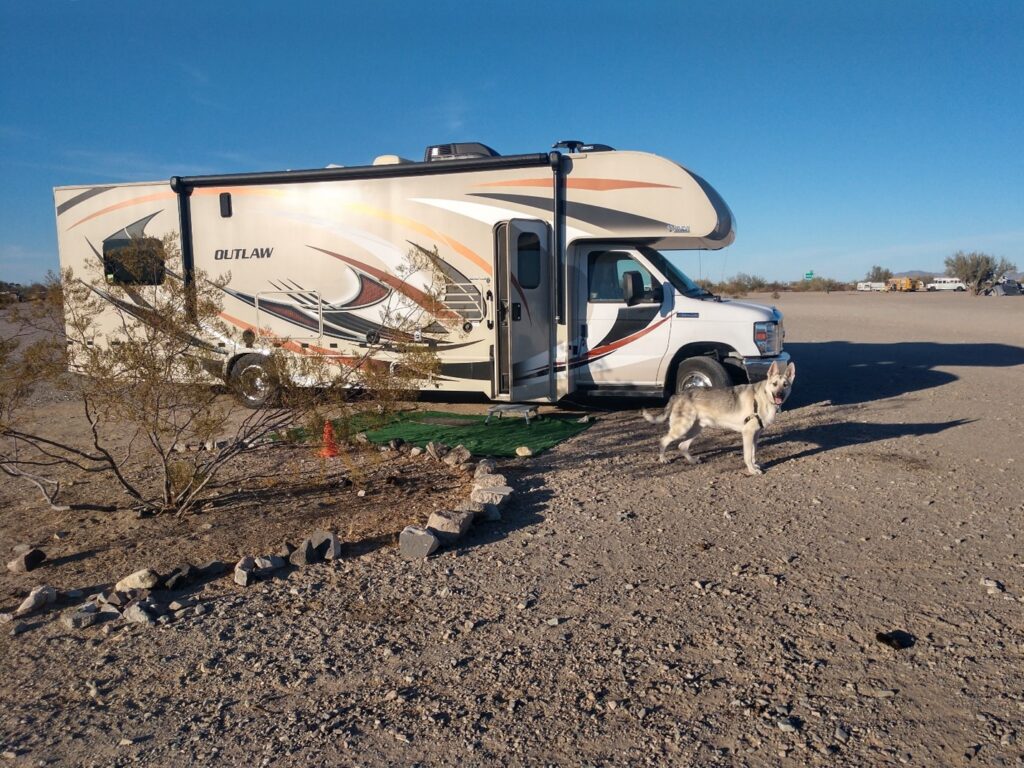
Full-time motorhome living can be incredibly freeing-or unexpectedly challenging-depending on your lifestyle, finances, and tolerance for uncertainty. Here’s a balanced look at the major pros and cons:
Pros: Freedom and Flexibility. You can wake up in a different place whenever you want-mountains, beaches-or deserts without being tired to one location. It’s ideal if you value mobility and spontaneity.
Cost of Living-Potentially Lower: If managed carefully, expenses can be lower than traditional housing:
- No mortgage or rent
- Reduced utility bills
- Flexibility to control costs (free camping vs. paid parks.
That said, this depends heavily on your travel style. (More on this below).
Minimalism and Simplicity: Living in a small space forces you to prioritize what matters. Many people find this type of living reduces stress and clutter.
Closer Connection to Nature: You’re often staying in scenic areas, which makes outdoor activities like hiking, biking, and stargazing part of daily life.
Strong Community: There’s a large, welcoming RV community-both in-person and online. Campgrounds and RV parks can be surprisingly social.
Cons: Limited Space-Even large motorhomes are small compared to a house. Storage, privacy, and personal space can become issues-especially for couples of families.
Maintenance and Repairs: A motorhome is both a home and a vehicle: Therefore, at some point, you will have to deal which Mechanical issues, engine and tires. House systems, plumbing and electrical. These repairs can be costly and disruptive since your home might in up in a repair shop.
Inconsistent Costs: While it can be cheaper, costs vary. Fuel (especially with frequent travel). Campground fees, Insurance and maintenance. Some months these charges may increase.
Logistics and Planning: Things you don’t usually think about in a home becomes regular motorhome tasks, such as dumping waste tanks, refilling outside water tank, finding legal places to stay, managing mail and residency
Internet and Connectivity Challenges: Reliable internet can be tricky, in remote areas-especially in remote areas, if this is where you plan to work remotely.
Weather and Comfort: Extreme heat, cold, wind, or storms can make RV living uncomfortable or even unsafe. Insulation and climate control are limited compared to a house.
Legal and Zoning Limitations: You can’t just park anywhere overnight. Many cities restrict overnight parking or long-term RV living outside designated areas.
Reality Check: Full-time motorhome living works best if:
- You enjoy travel and change
- You’re adaptable and don’t mind problem-solving
- You’re comfortable with smaller living spaces
Meanwhile this lifestyle is stressful if you:
- Prefer stability and routine
- Need lots of space or privacy
- Don’t want to deal with mechanics or logistical issues.